Stay Cozy and Chic: Why Premium Winter Clothing Is Worth the Investment
Purchasing quality winter clothing is essential for both comfort and style during frigid months. Premium garments provide essential insulation and durability, enabling individuals to face harsh conditions with confidence. Furthermore, they often reflect a commitment to sustainable practices. As winter arrives, the choices made in wardrobe selections can substantially impact one's experience. Understanding the features that distinguish quality winter attire may redefine how one tackles these seasonal challenges.
How Quality Winter Clothing Makes an Impact
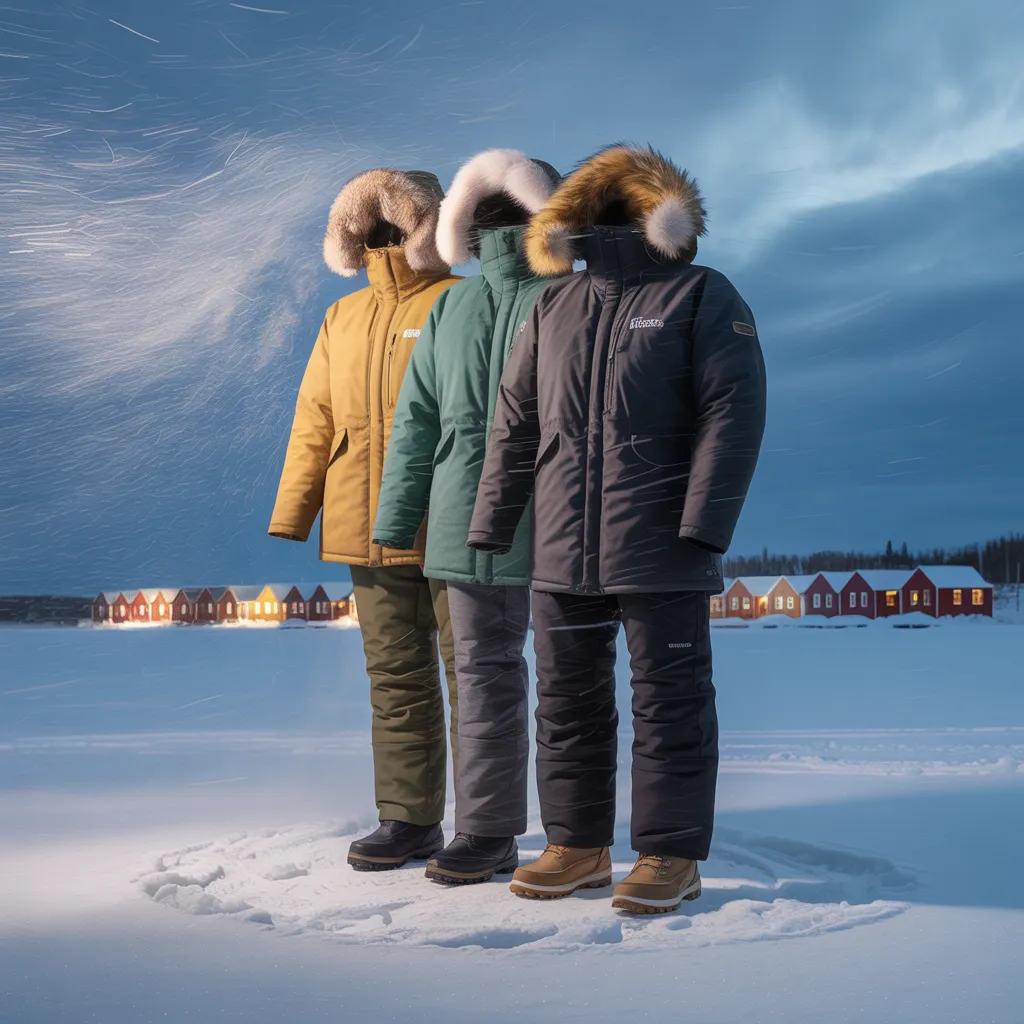
When the mercury drops and winter circumstances turn brutal, the critical nature of quality winter clothing becomes obvious. One often encounter the dramatic contrast between poor-quality garments and properly-constructed winter wear. Quality clothing offers essential warmth and comfort, helping you navigate cold weather without discomfort.
Purchasing durable materials guarantees longevity, making it a cost-effective choice over time. High-quality fabrics resist wear and tear, retaining their insulating properties through repeated use. Moreover, effective insulation and moisture-wicking capabilities help regulate body temperature, reducing the risk of hypothermia and frostbite.
In contrast, subpar clothing can result in excessive layering, which can impede mobility and create bulkiness. In contrast, expertly engineered winter attire combines style and functionality, permitting individuals to remain both warm and fashionable. Ultimately, the difference lies not just in comfort, but in the overall experience of tackling winter's challenges with confidence.
Fundamental Qualities of Quality Winter Clothing
Quality cold-weather clothing demonstrates several essential features that improve both functionality and comfort. First and foremost, insulation is vital, with materials like down or synthetic fibers offering warmth without excessive bulk. Moreover, moisture-wicking properties are fundamental, ensuring that sweat is rapidly drawn away from the body, keeping the wearer comfortable and dry.
Windproof and waterproof textiles also fulfill a vital role, supplying safeguarding against challenging weather situations. Breathability represents another crucial element, allowing for ventilation while maintaining warmth. High-quality winter garments often include customizable elements, such as cuffs and hoods, which assist in creating a secure fit, keeping cold air from coming in.
Finally, solid construction and reinforced seams provide longevity, making these garments a smart investment. Collectively, these features build a trustworthy winter wardrobe that unites style and practicality, delivering comfort in the coldest months.
Why Quality and Sustainability Matter in Winter Clothing
Quality and sustainability function as key foundations in the area of winter clothing, affecting consumer choices and environmental impact alike. Premium winter garments are built to withstand harsh conditions, decreasing the need for frequent replacements. This durability not only conserves consumers finances over time but also reduces waste in landfills.
In addition, green initiatives in production reduce environmental damage, employing eco-friendly materials and ethical labor. Purchasers increasingly seek brands that champion transparency and responsibility, synchronizing their purchases with their own values.
Purchasing quality winter clothing means picking items that are not only functional and stylish but also support a more sustainable future. By choosing well-made pieces, individuals promote an industry shift towards environmentally responsible practices, cultivating a culture of longevity in fashion. As a result, the interplay of quality and sustainability in winter clothing stands out as a crucial consideration for conscientious consumers looking to make impactful choices.
Selecting Flexible Winter Pieces for Each Occasion
A well-curated winter wardrobe can significantly improve versatility, enabling individuals to navigate diverse occasions with ease. Key pieces like a tailored wool coat, a stylish puffer jacket, and a classic trench can seamlessly adapt from casual outings to formal events. Layering options, like turtlenecks and lightweight sweaters, deliver flexibility while ensuring warmth.
Accessories like hats, scarves, and gloves provide both style while enhancing functionality. Footwear including water-resistant footwear and ankle boots, work well for both outdoor excursions and urban adventures.
Selecting neutral colors and enduring designs guarantees that these pieces continue to be relevant across changing fashions. By prioritizing quality and versatility, individuals can develop a cohesive winter wardrobe that meets diverse needs, providing comfort and style regardless of the occasion. This calculated approach to winter clothing investment eventually results in a more efficient and stylish dressing experience.
Caring for Your Winter Wardrobe for Long-lasting Use
To make certain a winter wardrobe remains durable over time, proper maintenance is vital. This includes implementing effective washing techniques, using appropriate storage methods during the off-season, and repairing minor damages through timely repairs. By following these practices, individuals can increase the life of their quality winter clothing.
Appropriate Washing Practices
Maintaining the longevity of winter clothing depends on proper washing techniques. To preserve the integrity of fabrics, it is vital to follow care labels precisely. For most garments, cold water settings are suggested to prevent shrinking and color fading. Using a gentle detergent specifically designed for delicate fabrics can further safeguard winter wear.
Staying away from fabric softeners is essential, as they can diminish insulation properties. When washing down jackets or wool items, utilizing a front-loading machine or hand washing is advisable to reduce agitation. Air drying is preferred to maintain shape and avoid heat damage. By adhering to these practices, one can substantially prolong the life of winter clothing, guaranteeing continued warmth and style throughout the season.
Off-Season Storage Tips
Although the cold season has ended, making sure winter clothing stays in excellent condition during off-season storage is essential for longevity. Correct storage methods can substantially extend the life of high-quality garments. First, clean all items carefully to remove dirt and moisture, as residues can cause damage over time. Next, fold heavier items like sweaters to avoid stretching, while lighter fabrics should be hung on padded hangers to keep their shape. Using breathable garment bags can guard against dust and pests. Moreover, storing items in a cool, dry place lessens the risk of mildew. Finally, including cedar blocks or lavender sachets can deter moths, keeping the wardrobe prepared and fresh for the next winter season.
Addressing Light Damage
Even though winter clothing is often subject to wear and tear, repairing minor damages immediately can substantially extend its lifespan. Little damages, such as loose threads, small tears, or missing buttons, can develop into larger problems if overlooked. Easy repairs can often be handled at home, requiring only a needle, thread, or fabric glue. For those less comfortable with DIY fixes, local overview tailors or alteration shops can provide professional assistance. Periodically inspecting winter garments for evidence of wear allows for timely interventions, avoiding further damage. By emphasizing these minor repairs, individuals can preserve the integrity and appearance of their clothing, making certain that quality winter pieces remain usable and stylish for many seasons to come.
Top Brands for Quality Winter Clothing
In the search for high-quality winter clothing, shoppers typically turn to well-known brands that blend performance, durability, and style. Prominent names including Patagonia and The North Face are frequently acknowledged for their focus on sustainability and innovative materials. These brands offer a variety of options, from insulated jackets to moisture-wicking base layers, providing comfort in harsh conditions.
Other reputable brands include copyright, renowned for its high-end down jackets, and Columbia, which offers cost-effective but reliable winter gear. Arc'teryx excels in its technical performance, serving outdoor enthusiasts who emphasize functionality.
For style-conscious shoppers, Moncler fuses luxury with practicality, presenting sophisticated options that don't compromise on warmth. Finally, brands like Uniqlo provide accessible, versatile winter wear that caters to a large audience. Choosing these brands guarantees both style and protection against the elements, making them prime choices for winter apparel.
Popular Questions
How Can I Find the Correct Size for Winter Clothing?
To establish the right size for winter clothing, one should refer to the manufacturer's sizing chart, record their body dimensions accurately, and consider options for layering. Trying on items, if possible, can guarantee a proper fit.
Which Materials Are Best for Insulation in Winter Wear?
The ideal materials for insulation in cold weather clothing include wool, down, and synthetic materials such as polyester. These materials effectively trap body heat, delivering warmth while being lightweight and breathable, providing comfort in cold weather.
May I Wear Winter Clothing for Non-Winter Endeavors?
Indeed, winter clothing can be utilized for non-winter activities. However, individuals should consider comfort, breathability, and suitability for the given activity, as some materials may be overly insulating or restrictive in milder conditions.
How Often Should Winter Clothing Be Washed?
Winter wear should be laundered every few wears, according to activity level and exposure to dirt or moisture. Consistent upkeep helps maintain their warmth and longevity, ensuring they remain reliable for the entire season.
Do Particular Winter Clothing Styles for Different Body Types?
Certainly, specific winter clothing styles accommodate different body types. Structured silhouettes highlight curves, while oversized silhouettes offer comfort. Strategic layering and material selection also play significant roles in flattering different body types and proportions effectively.